
EPCI Services
We deliver Southest – Asia Engineering, Procurement, Construction, and Installation (EPCI) and Marine services, setting the industry benchmark for excellence and reliability.
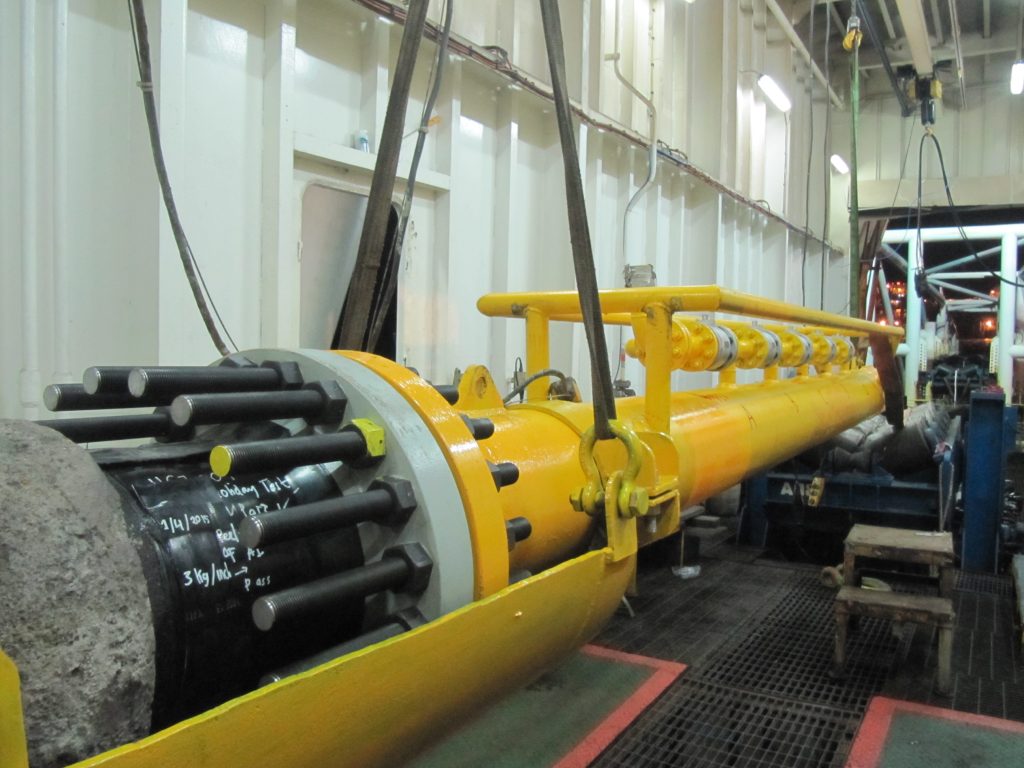
Subsea pipelines are an essential component of offshore oil and gas production, as they transport hydrocarbons from the subsea wells to processing facilities onshore or directly to market. There are two primary types of subsea pipelines: rigid pipelines and flexible pipelines. In this response, we will focus on rigid pipelines.
Rigid subsea pipelines, as the name suggests, are constructed using rigid materials such as steel or concrete. They consist of individual pipe sections joined together to form a continuous pipeline. These pipelines are typically used for long-distance and high-pressure applications.
Here are some key features and considerations related to rigid subsea pipelines:
Rigid subsea pipelines have been used extensively in offshore oil and gas production for many years due to their ability to handle high pressures and long-distance transport. However, flexible pipelines are also gaining popularity in certain applications due to their ability to accommodate seabed movements and offer easier installation and repair options.
